91B0FBB4-04A9-D5D7-16F0F3976AA697ED
C9A22247-E776-B892-2D807E7555171534
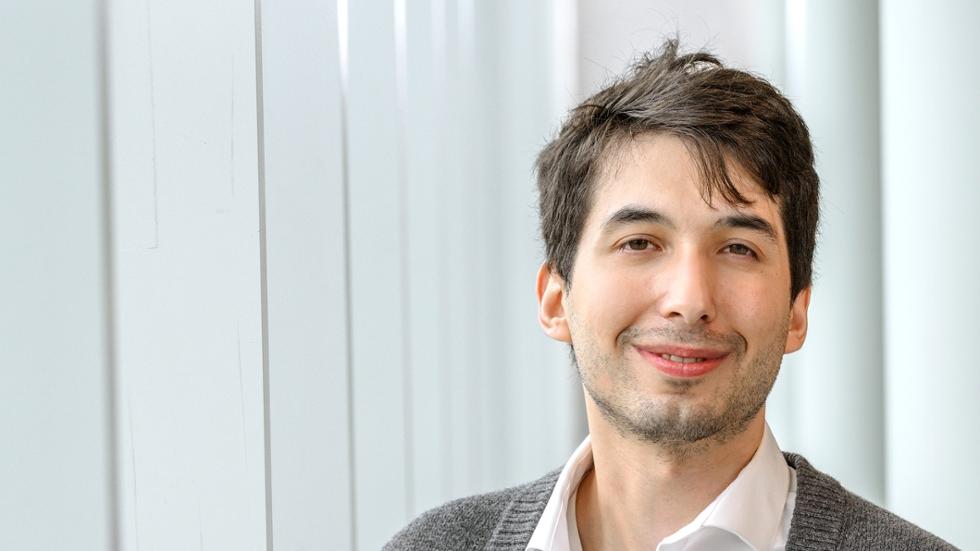
Andrew Cook
Andrew Cook, visiting assistant professor of psychology, published a journal article titled “Do people forget your name? Your face might be the problem: The effect of cue memorability on recall of associations” in the Journal of Experimental Psychology: Learning, Memory, and Cognition. 

Co-authored with Deanne L. Westerman, the work shows that easily remembered faces increase the ability to remember the individual's name, regardless of what that name is. Cook explains:  “Have you ever met someone, shaken their hand, and immediately forgotten their name? We usually blame our own bad memories, but it turns out, the problem might actually be their face. Our shows that our ability to remember a name depends on how memorable the person's face is. If they have a face that naturally sticks in your mind, then their name is much more likely to stick, regardless of what that name is.

“What's really fascinating is that this memory phenomenon seems unique to human faces. We tried pairing highly memorable photographs of scenes (e.g., a landscape or room) with different names, but that memory boost completely disappeared. Our brains seem to have a special, built-in system specifically designed to link faces and names together, which suggests some exciting real-world implications, too. Perhaps highly memorable faces can facilitate the learning of other information like new vocabulary or facts. Advertisers and politicians could also use this quirk of human memory to make sure their messages stick,” Cook said. 

Posted May 6, 2026

Related News

Keelah Williams, assistant professor of psychology

Williams, Li ’28, and Chung ’28 Publish New Paper on Friendship

Associate Professor of Psychology Keelah Williams co-authored a paper with Yingtao (McQueen) Li ’28 and Eric Chung ’28 titled “Cross-societal evidence of sex differences in preference for emotional support from friends.”

Julia Afsar-Keshmiri ’26

Senior Fellow Afsar-Keshmiri ’26 Dives Deep into Neurodegenerative Diseases

As a senior fellow, Julia Afsar-Keshmiri ’26 has amassed a network of scientists to further unravel the mysteries of brain development and neurodegenerative diseases. Through her fellowship, Afsar-Keshmiri has the opportunity to devote her entire senior year to her project, giving her a taste of life as a professional researcher.

Help us provide an accessible education, offer innovative resources and programs, and foster intellectual exploration.

Site Search