Bookshelf
Alumni and faculty members who would like to have their books considered for this listing should contact Stacey Himmelberger, editor of Hamilton magazine. This list, which dates back to 2018, is updated periodically with books appearing alphabetically on the date of entry.
-
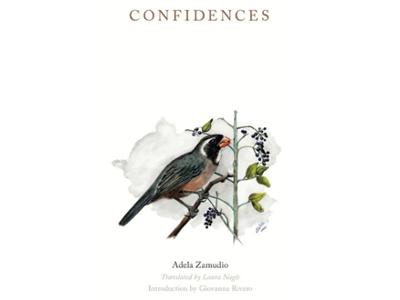
(Bucknell University Press, 2026).
This book is a translation of a 1913 work by the Bolivian poet Adela Zamudio. (1854-1928). The publisher notes, "The only novel written by acclaimed feminist poet Adela Zamudio, Confidences was harshly criticized for not following the conventions of realist literature, but it has since been hailed as a lost classic of Bolivian modernism. Now available in English for the first time, this translation captures the lyrical qualities of Zamudio’s prose as it vividly depicts how sexism, religious dogma, and prejudice prevented women from shaping their own destinies."
Topic -
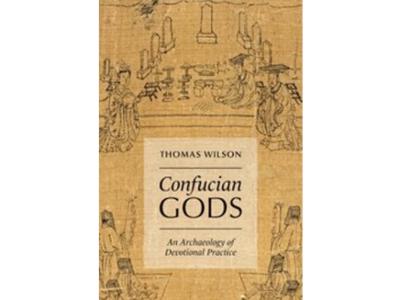
(Oxford University Press, 2026).
This book offers an intellectual history of Confucian conceptions of the gods found in the classics and feasted by the imperial court until the early 20th century. The author examines court debates surrounding these canonical gods and the devotional rites to feast them at imperial altars and temples during the Tang (618-907), Song (960-1279), and Ming (1368-1644) dynasties.
Topic -
(Ediciones MYL, 2026).
(Literature and Mining in the Andes: A Reading of Extractivist Imaginaries)
This book explores the literary traditions of Bolivia and Peru, contextualizing how mining has shaped regional identities, labor, and landscapes from colonial times to the present. Based on close readings of literary and journalistic productions, the author explores how elite intellectuals of the late 19th century portrayed “extractivism” alongside their visions for a modern nation, specifically how it should be integrated into and benefit from an international market constantly hungry for the gold, silver, and other minerals of the Andean region.
Topic -

(Little Brown and Co., 2026).
Inspired by stories of her great-great-grandmother’s experiences with Eastern European antisemitism, the author’s chilling debut novel is described this way by one reviewer: “Lyrical and haunting with a nearly palpable ache at its core, Odessa is a quiet horror, laying bare a comparison of real-life evils with supernatural ones. Its fear lingers long after the story is complete.”
Topic -

(Henry Holt and Co., 2026).
The author’s hilarious first novel is the story of several women, in different timelines, trying to stay afloat. The book jacket describes it thusly:
“Claire grew up with the legend of the Unsinkable Mounsey Women. Her great-great-grandmother Fanny made headlines in 1915 for washing ashore in England nearly a year after her ship sank. Fanny’s daughter Sarah went to collect her mother on the equally ill-fated Lusitania ? whose sinking she, too, survived. Their improbable endurance led to regional stardom on the Midwestern vaudeville circuit. But Claire never knew the full story ? until now.
Topic -

(American Library Association, 2025).
“From their inception, special collections and archives have memorialized the lives of people in power, serving as a tool to preserve the status quo and perpetuate systemic oppression.” So notes this book, which collects case studies, research projects, lesson plans, stories, practical strategies, color illustrations, and accessible, low-cost solutions from authors who have grappled directly with the legacy of harm present in their own institutions.
-

(Finishing Line Press, 2026).
Unlike a collection of poems, this book is a single long-form poem in five parts that offers an integrated collage of Mississippi artist Jamie Tate’s art and Dafoe’s words. The result is an immersion in the pre-history and history of the American mythic landscape of the Delta — the art and culture of the region; the natural world and myths surrounding it; and a visual and linguistic commentary on the faults and extraordinary gifts of the region and its peoples.
Topic -
(Armin Lear Press, 2026).
“Hope’ has become a soft word in a hard time, often treated like a sentiment, a slogan, or worse, a distraction. Hope is real, and especially now really needed — at work. Across industries, regions, and sectors (including higher education), there is a pattern: People are dispirited, cautious, and lying low. Not because they lack gumption, but because they doubt whether their efforts will lead to something better — and because the world is presenting unforeseen fractures and unknowable forecasts.”
Topic -
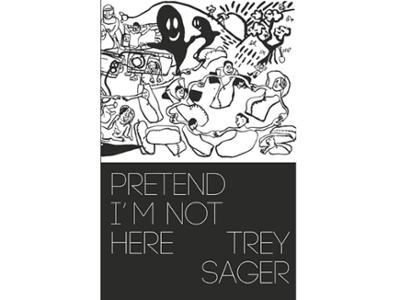
(ELJ editions, 2026).
The author's debut short story collection features characters struggling with sex, identity, and meaning in a world collapsing around them. There’s an aging actress who falls in love with a fictional character. A melancholic sex robot that wanders the streets of New York. A man searching for his beloved inside the chaos of an anti-war protest. Indeed, everyone is longing for something — even annihilation. As the publisher notes, “Cities burn, protests rage, isolation intensifies. A motif of masks and costumes runs throughout as characters experiment with who they are and struggle for connection in an absurd world. Though bleak, many of the stories end with a moment of dark optimism.”
Topic -
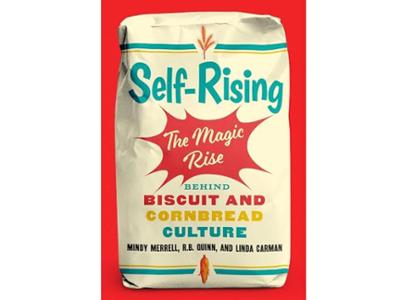 (University Press of Kentucky, 2026).
From the co-author of Cheater BBQ: Barbecue Anytime, Anywhere, in Any Weather comes this book that explores the overlooked story of self-rising flour and its outsized role in shaping Southern kitchens, home cooking traditions, and Black and Appalachian foodways.
Topic
Contact
Stacey Himmelberger
Editor of Hamilton magazine
