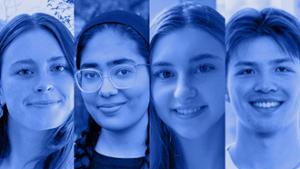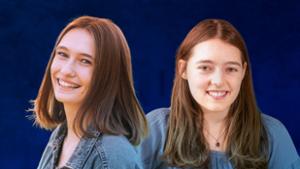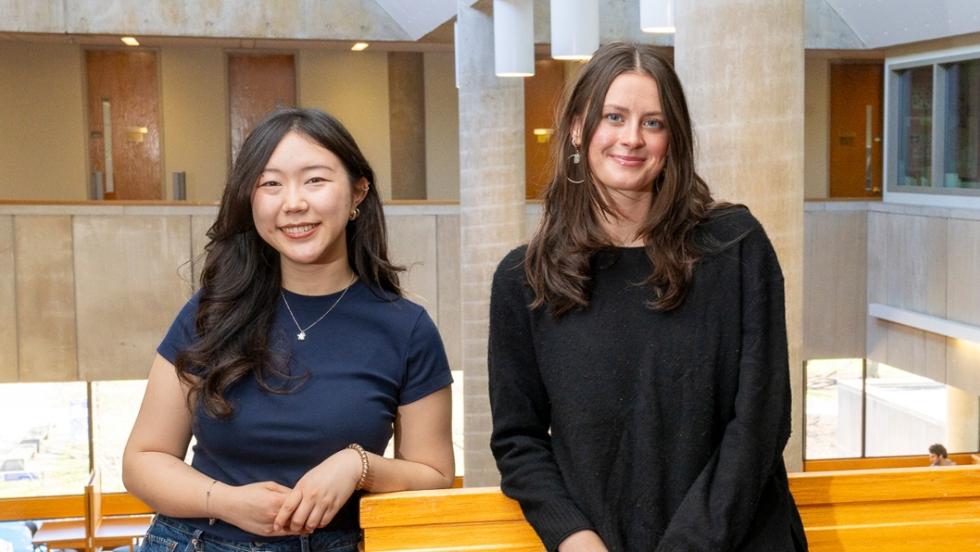
The fellowship sponsors projects “based on strong personal interest and commitment” and that “exhibit a spirit of inquisitiveness and a seriousness of purpose.”
Boies will study the way refugees and immigrants use food to foster community, specifically “how food functions not only as a connection to home, but also as a tool for adaptation and belonging in unfamiliar environments.” She plans to travel to India, Denmark, France, Chile, and Australia to experience a wide variety of “political infrastructures, histories of immigration, and geographic contexts.”
Kwon will travel with her violin to explore how music can foster community and help people navigate feelings such as grief and belonging, creating a “living archive of musical healing practices.” Thus far, she plans to travel to South Korea, India, and South Africa, chosen for their “rich musical traditions and strong community-based healing practices.”
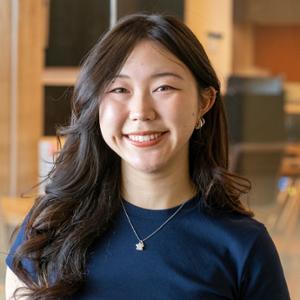
Elise Kwon ’26
Major: Biochemistry
Hometown: Diamond Bar, Calif.
We spoke to both about their projects and what they hope to learn.
What sparked your interest in your topic?
Boies: Across both my personal and professional life, there has been a clear through line of creating community, welcoming newcomers, and building relationships rooted in trust and care. This work has been prominent throughout my Hamilton career in Utica, and it has greatly shaped what I want to do in the future. For the Bristol [application], my mind returned almost instantly to food and its ability to connect people, to carry memory, and to create a sense of belonging.
Kwon: My interest grew from realizing that healing and treatment aren’t just about solving a problem, but they’re also about connecting on a deeply human level. Music has always been a source of joy in my life, and sharing that joy with others, especially while playing in memory-care senior centers, showed me how sound can reach people when words can’t. Later, during my public health studies abroad, I saw communities use music to grieve, celebrate, and stay connected even in the hardest circumstances. Those moments made me understand that music is more than an art form but another language that I’ve been speaking for years! This project grew from wanting to explore how different cultures use that language to navigate pain, joy, identity, and belonging and my overall love for music.
What experiences and mentors at Hamilton have influenced or shaped your project?
Boies: Since freshman year, I have spent much of my time volunteering and working in a number of different capacities in the city [Utica]. Many of my favorite experiences have been involved with Utica’s refugee population, working with youth to adults in different ways. I work as the senior education fellow in Utica with the COOP, as a TA for a food-related course, and am an avid volunteer within the city.
My boss and friend Amy James has influenced me in many ways over the years, particularly with my engagement in Utica. Additionally, I’ve had the privilege of learning from and working for Professor Naomi Guttman in the realm of food and literature/film. Currently, I’m taking an anthropology course looking at food justice in the Mohawk Valley with Professor Julie Starr.
Kwon: As a biochemistry major and music minor, I’ve learned to think about healing through both scientific and humanistic lenses. Serving as a first-year leader, head peer mentor, and a mentor in NextGen has grounded me in community-centered care, while volunteering in memory-care senior centers and at the Cerebral Palsy Institute showed me how music can create connection when language can’t. As co-chair of ROOTS, Hamilton’s organization for students of color in STEM, I’ve worked to build community, advocacy, and belonging. And research over my four years here and off campus have taught me how to create concrete plans for my research goals.
Musically, performing as concertmaster and in chamber groups helped me understand music as a form of communication and comfort. I’m so grateful for mentors like professors Heather Buchman [music], Max Majireck [chemistry], and Rhea Datta [biology], whose support and curiosity over the years encouraged me to trust the intersections of science, art, and care. Their guidance helped me imagine a project where my violin, my research background, and my commitment to community all come together.
What are some challenges you may face while abroad?
Boies: Many of the challenges I anticipate are navigating unfamiliar environments as a solo female traveler, particularly in areas impacted by language barriers and knowledge gaps. I also recognize that building meaningful relationships may not always be easy. I will need to approach these interactions with humility, patience, and flexibility, understanding that listening is a privilege, not an expectation.
What are you most looking forward to?
Boies: I’m most looking forward to the opportunity to learn from the people I meet and the environments I move through. I’m excited to encounter new ideas, cultures, and ways of living, and to challenge my own assumptions along the way. I look forward to deepening my understanding of how food and culture shape identity and belonging. And, of course, I’m excited about experiencing the food itself and trying new things.
Kwon: I’m most excited for the moments of connection like collaborating with local musicians, learning new musical traditions, and experiencing how different communities use sound as a form of healing and joy.
Fellowship Advising at Hamilton
The Office of Student Fellowship helps Hamilton students and recent alumni connect with transformative experiences and opportunities.
Posted April 14, 2026